
A marine heat wave is a prolonged period of anomalously high sea surface temperatures that significantly disrupts aquatic ecosystems and global weather patterns. These events occur when ocean temperatures exceed the 90th percentile of historical observations for at least five consecutive days. Consequently, they trigger mass coral bleaching and fuel intensifying storm activity across the planet.
What is the Current State of Marine Heat Waves in 2026?
The global ocean is currently facing an unprecedented thermal crisis. Although the previous El Niño cycle ended, sea surface temperatures have reached record highs. Scientists are monitoring a massive, 5,000-mile-long thermal anomaly in the Pacific Ocean. This specific marine heat wave shows temperatures 6–8°C above normal levels. Furthermore, the heat is penetrating deeper into the water column than in previous years.
According to reports in the Washington Post and Illuminem.com, this event is described as an “exceptional” anomaly. Dr. Daniel Swain, a prominent climate scientist, notes that these conditions reshape weather patterns across North America. Therefore, we are seeing a direct link between oceanic warming and terrestrial weather extremes.
Prominent Scientists Studying the Marine Heat Wave
| Scientist | University / Organization | Focus Area |
| Dr. Daniel Swain | UCLA / National Center for Atmospheric Research | Climate extremes and atmospheric interaction |
| Dr. Ryan Walter | Cal Poly | Physical oceanography and coastal currents |
| Dr. Eric Sanford | UC Davis (Bodega Marine Laboratory) | Marine ecology and kelp forest resilience |
| Dr. Michael Jacox | NOAA / UC Santa Cruz | Marine heat wave forecasting and fisheries |
| Dr. Karolina Zabinski | UC Davis | Evolution, ecology, and coral bleaching |
How Does El Niño Influence Oceanic Warming?
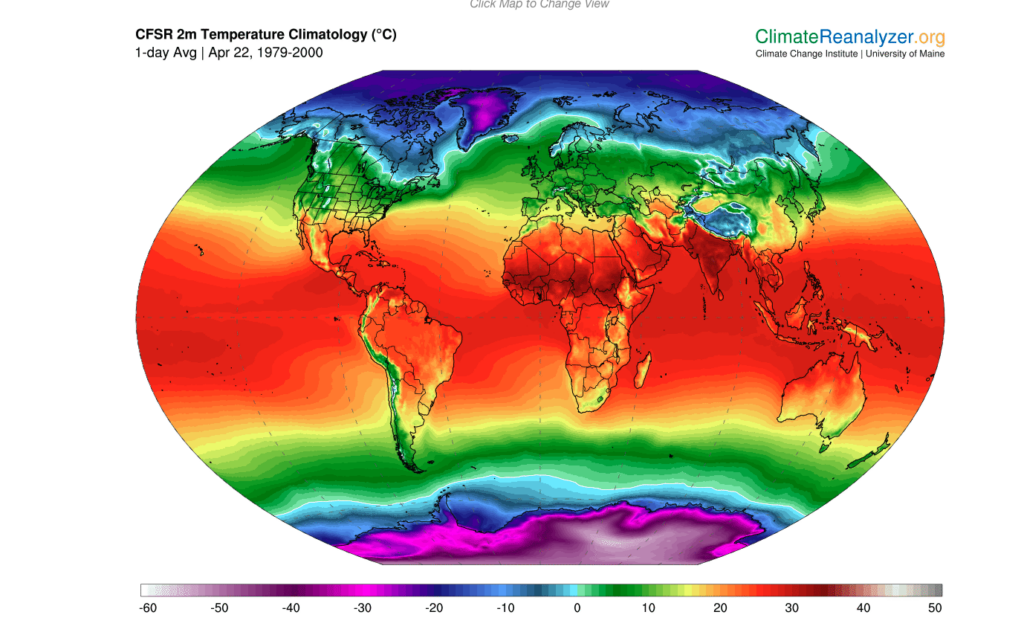
While a marine heat wave can occur independently, the development of a “Super El Niño” in 2026 acts as a massive catalyst. El Niño involves a shift in trade winds that allows warm water to pile up in the eastern Pacific. This process releases vast amounts of latent heat into the atmosphere.
Currently, leading agencies like NOAA project a 62% probability of a strong El Niño developing by mid-2026. This phenomenon compounds the background warming caused by human-led climate change. As a result, the “thermal floor” of the ocean is rising. Even when El Niño is absent, the baseline temperature remains dangerously high. This permanent shift makes a marine heat wave more frequent and far more intense.
Why is Coral Bleaching Increasing?
Coral reefs are the most visible victims of a marine heat wave. Corals exist in a symbiotic relationship with tiny algae called zooxanthellae. When water temperatures rise even 1°C above the seasonal maximum, corals become stressed. They expel their algae, which leads to a “bleached” white appearance.
If the marine heat wave persists for several weeks, the corals eventually starve. In 2026, we are witnessing mass bleaching events in the North Atlantic and the South Pacific. These reefs provide critical habitat for 25% of all marine life. Their loss creates a “domino effect” throughout the entire aquatic food web.
The Link Between Hot Oceans and Intensifying Storm Activity
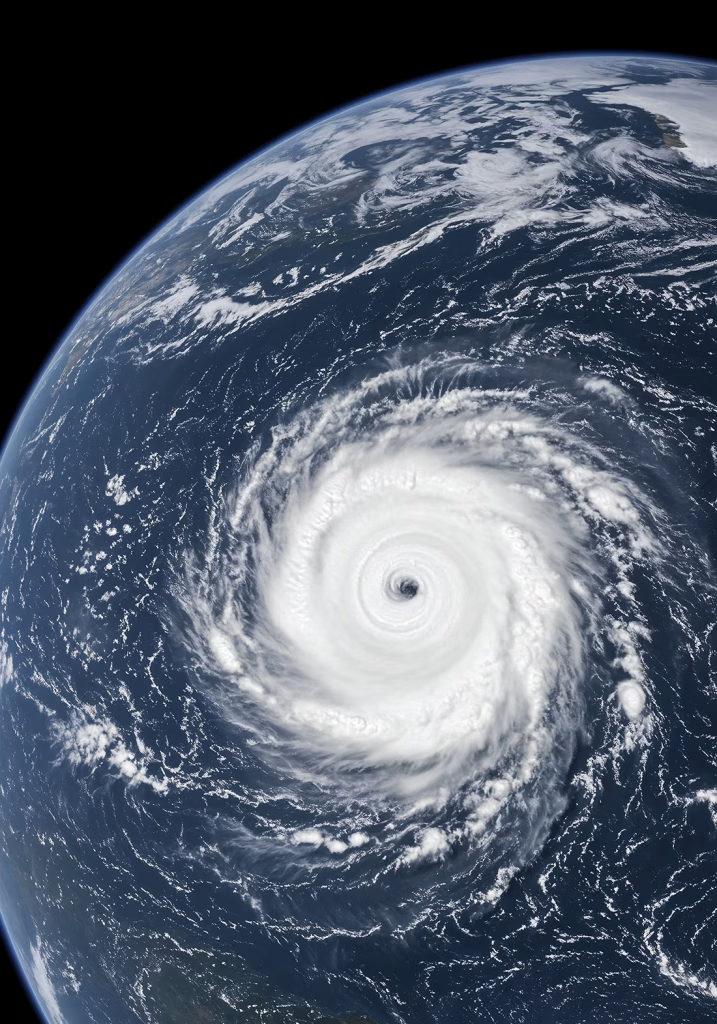
Hotter water provides more fuel for the atmosphere. A marine heat wave increases the rate of evaporation. This extra moisture leads to intensifying storm activity and higher precipitation totals.
- Hurricane Fuel: Warmer surface waters allow tropical cyclones to undergo rapid intensification.
- Atmospheric Rivers: Increased moisture in the Pacific fuels more potent storms hitting the West Coast.
- Convective Power: Higher humidity provides the energy needed for record-breaking spring thunderstorm outbreaks.
Exploring Our Deep World: A Mission of Discovery
At Exploring Our Deep World, we believe that understanding these changes is the first step toward conservation. Our founder, Aaron Newman, established this non-profit platform to bridge the gap between academic research and public awareness. We focus on how a marine heat wave affects local ecosystems and global stability. Through citizen science and expert collaboration, we aim to document the shifting state of our aquatic environments.
Frequently Asked Questions
Q. How is a marine heat wave different from atmospheric heat?
A. While atmospheric heat waves are measured in days, a marine heat wave can last for months or even years. The high heat capacity of water means the ocean retains this energy much longer than the air does.
Q. Can marine life recover from these events?
A. Some species can migrate to cooler waters. However, sessile organisms like coral and kelp cannot move. Recovery is possible if the water cools quickly, but frequent repeat events often lead to permanent ecosystem collapse.
Q. Does every El Niño cause a marine heat wave?
A. El Niño typically causes broad warming in the tropical Pacific. However, a specific marine heat wave is a localized extreme. While they often occur together, they are distinct physical phenomena.
Q. How does ocean warming affect human economies?
A. Warming waters disrupt fisheries and aquaculture. For example, toxic algal blooms triggered by heat can close shellfish harvests and kill salmon, leading to millions of dollars in economic losses.
Q. What is the “Blob” and is it happening again?
A. “The Blob” was a famous 2014-2016 warming event in the Northeast Pacific. The current 2026 marine heat wave is rivaling its size, though scientists are still studying if it will penetrate as deep as its predecessor.
Join Exploring Our Deep World to discover more about the specialist interests we hold in all things related to the oceans, seas, lakes, and rivers on the planet Earth.
#marinescience #oceanscience #climatechange #marinebiology #oceanconservation #elnino
Severe marine heatwave intensifies
This video features Dr. Daniel Swain discussing the specific record-breaking marine heat wave currently affecting the Pacific Ocean and its link to intensifying storm patterns.