
Invasive species enter new ecosystems through human activities like ballast water discharge, aquarium releases, and canal construction. Specifically, the Goldfish (Carassius auratus) invades the Great Lakes primarily through illegal pet releases, where they outcompete native species and destroy vital aquatic habitats.
How Do Invasive Species Invade Our Waters?
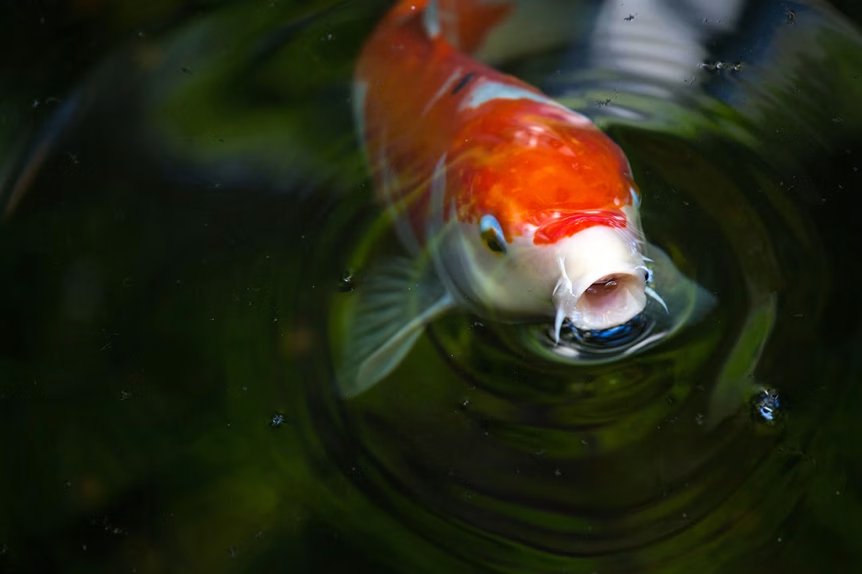
The other day I was over by the dock at Westpoint Marina at Braddocks Bay on Lake Ontario. I have docked my boat there from time to time and as I am walking closer to the water edge I saw the largest goldfish in my entire life. I thought it was Otto from my favorite childhood book A Fish Out of Water. Otto was huge, more than a foot long. This goldfish had grown the size of a carp – simply immense. So how did “Otto” get here? Well as it is Goldfish are an invasive species the Great Lakes.
Invasive species typically enter new environments via human-mediated pathways. For instance, large shipping vessels often carry “hitchhikers” in their ballast water tanks. Additionally, global trade allows for the accidental or intentional release of non-native organisms.
Primary Pathways of Invasion
- Shipping and Ballast Water: Large ships take on water for stability in one port and release it in another.
- Canals and Waterways: Man-made channels connect previously isolated bodies of water.
- The Aquarium Trade: Pet owners sometimes release animals like the Gold Fish into local ponds.
- Live Bait Release: Anglers may discard unused bait fish into the wild.
Consequently, prevention remains the most effective tool for management. Biologists advocate for stricter regulations on ballast water treatment. Furthermore, public education programs like “Don’t Let It Loose” target pet owners to stop the spread of the Goldfish.
Why Are Invasive Species Dangerous to the Great Lakes?
Invasive species disrupt the delicate balance of the Great Lakes ecosystem. Because they lack natural predators, their populations grow exponentially. Therefore, they consume resources that native fish require to survive.
Impact on Native Fish Populations
The Great Lakes house diverse species like Yellow Perch, Lake Trout, and Walleye. Unfortunately, these native residents face significant risks from invaders. For example, the Goldfish is a hardy omnivore. It uproots aquatic vegetation while feeding. This action increases turbidity, which makes it harder for sight-feeding native fish to hunt.
| Impact Category | Effect of Invasive Species |
| Habitat Loss | Destruction of spawning grounds and nursery areas. |
| Resource Competition | Depletion of plankton and small invertebrates. |
| Disease Spread | Introduction of novel pathogens to native stocks. |
| Food Web Alteration | Shift in energy flow from benthic to pelagic zones. |
Scientists Studying Great Lakes Invaders
Several prominent researchers track the movement of the Goldfish and other carp species. Their work informs policy and management strategies across the region.
- Dr. Nicholas Mandrak (University of Toronto): He specializes in the biogeography and conservation of freshwater fishes.
- Dr. Przemyslaw Bajer (University of Minnesota): His research focuses on the “integrated pest management” of invasive carps.
- Dr. Andrew Drake (Fisheries and Oceans Canada): He analyzes the pathways of introduction for the Gold Fish.
The Role of Exploring Our Deep World
Understanding these complex aquatic issues requires dedication. Aaron Newman, the founder of Exploring Our Deep World, established the platform to bridge the gap between amateur enthusiasts and professional science. Because of his vision, many people now participate in community science projects.
Technical Analysis of the Gold Fish Invasion
The Gold Fish belongs to the family Cyprinidae. While they look harmless in a bowl, they grow to massive sizes in the wild. Consequently, they can weigh over four pounds. They are highly tolerant of low oxygen levels and fluctuating temperatures. This physiological resilience allows them to survive in polluted urban harbors where native fish perish.
Statutory and Regulatory Context
The Great Lakes St. Lawrence Blue Economy Strategy emphasizes the protection of biodiversity. Additionally, the Great Lakes Restoration Initiative (GLRI) provides funding to combat the spread of the Gold Fish. Managers use environmental DNA (eDNA) to detect these fish before populations become established.
Expert Q&A: Invasive Aquatic Species
1. Why is the Gold Fish considered “invasive” rather than just “non-native”?
A species becomes invasive when it causes economic or environmental harm. Because the Gold Fish destroys habitat and outcompetes natives, it fits the legal definition.
2. Can we eat invasive fish to control them?
While some carps are edible, others accumulate toxins from the sediment. Therefore, consumption is not always a viable large-scale solution.
3. How does eDNA help scientists track the Gold Fish?
Scientists collect water samples and look for genetic material shed by the fish. This method allows for early detection even when the fish are hard to see.
4. What is the biggest threat to the Great Lakes today?
Biologists agree that the combination of climate change and invasive species creates a “double threat” to water quality.
5. How can citizens help prevent new invasions?
You should never release pets into the wild. Moreover, you should always clean, drain, and dry your boat before moving between water bodies.